Why Your Garage Door Reverses Before Closing: A Richmond Hill Guide
A garage door that starts to close and then jumps right back up is one of the more frustrating problems to deal with, mostly because it feels random. The reassuring truth is that it is rarely random at all. Reversing is the door’s safety system working exactly as designed, refusing to close because something is telling it the path is not clear. For Richmond Hill homeowners, the trick is figuring out which safety system is doing the talking.
There are two of them, and they fail for different reasons. Once you know whether the door reverses before or after it touches the floor, you have already narrowed the problem down by half. Here is how to read the symptom and sort out the cause.
The Two Safety Systems That Cause Reversing
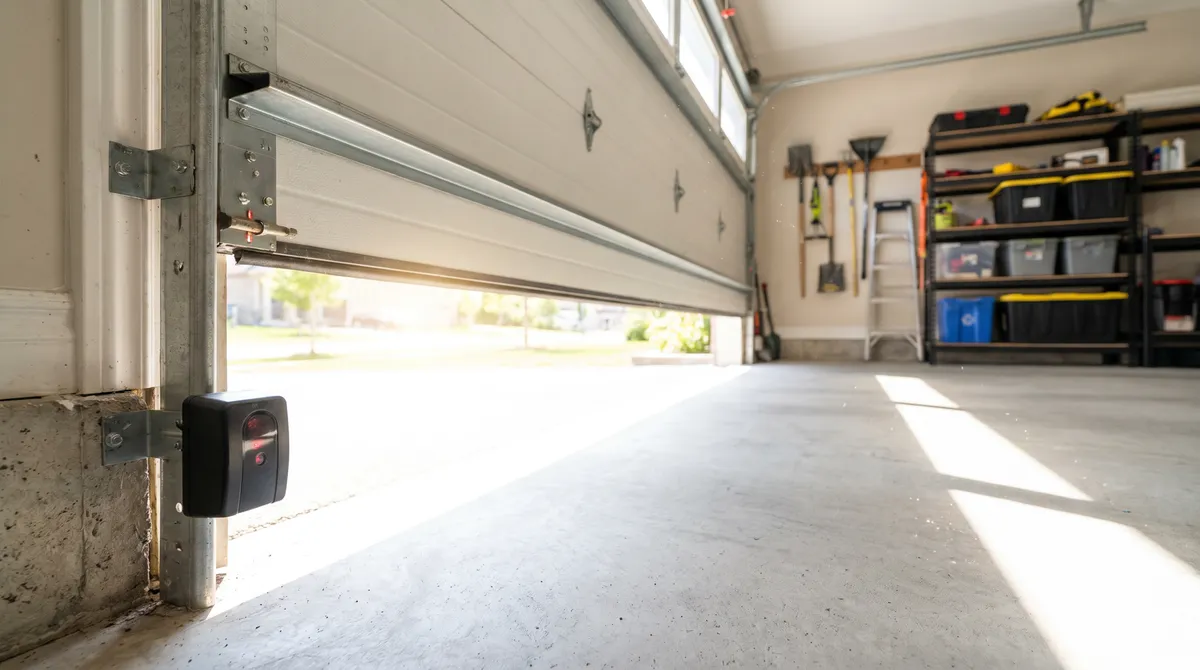
Every modern garage door opener has two independent ways of stopping a closing door. The first is the photo-eye system, a pair of sensors mounted near the floor on each side of the opening that shine an invisible beam across the doorway. If anything breaks that beam while the door is closing, the opener reverses immediately.
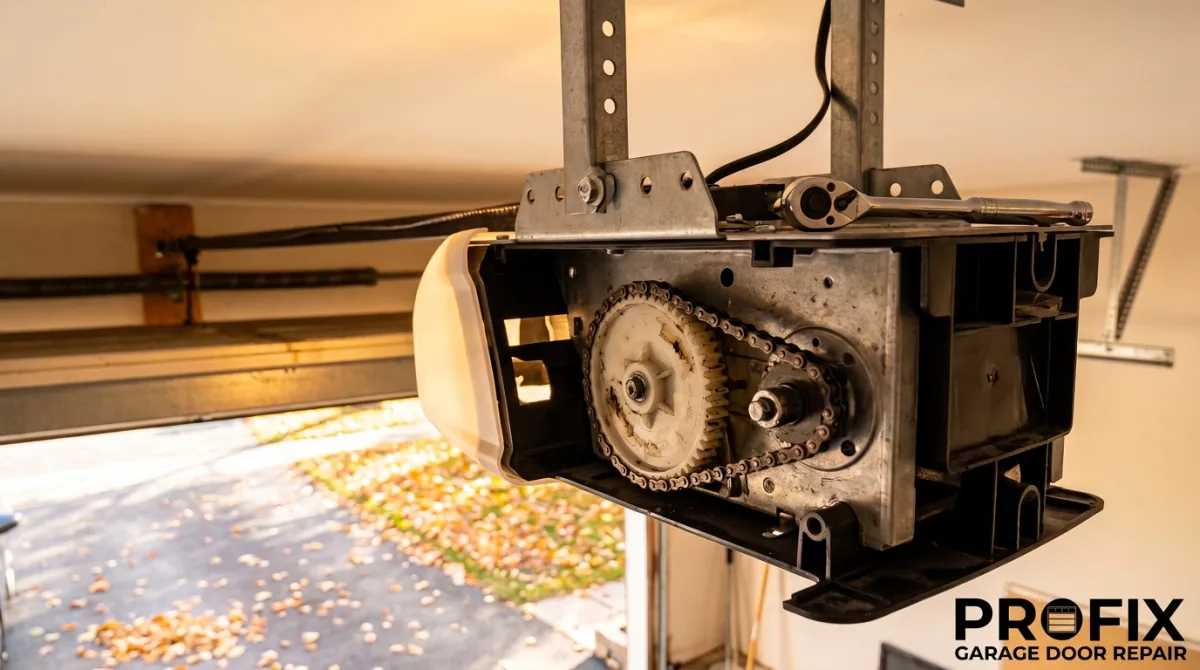
The second is the mechanical force and travel system built into the opener itself. The opener knows roughly how much resistance it should feel and how far the door should travel to reach the floor. If it hits resistance sooner than expected, or thinks it has reached the floor early, it reverses to avoid crushing whatever might be underneath.
The timing tells you which one is involved. If the door reverses while it is still well above the floor, suspect the photo-eyes. If it reverses only after it touches down, the force or travel setting is the more likely cause. That single observation saves a lot of guesswork.
Photo-Eye Causes and Fixes
Photo-eyes are responsible for the large majority of reversing problems, and the fixes are usually simple. The most common issue is plain dirt: a film of dust, a cobweb, or road grime on a lens is enough to weaken the beam. Wipe both lenses gently with a soft cloth first, because it solves the problem more often than people expect.
Misalignment is the next culprit. If a sensor gets bumped, by a stray ball, a snow shovel, or a passing bumper, it no longer points squarely at its partner and the beam misses. Loosen the bracket, nudge the sensor until the indicator light glows steady rather than blinking, and tighten it back up. Loose or damaged wiring at the sensor can cause the same blinking-light symptom if alignment does not fix it.
Sunlight deserves a special mention here, because it catches a lot of Richmond Hill homeowners. On east and west-facing driveways, low afternoon sun can shine directly into a sensor and wash out the beam, making the opener reverse only at certain times of day. If your door misbehaves on sunny afternoons and works fine otherwise, glare is very likely the reason, and a small sun shield or slight repositioning resolves it.
Travel-Limit and Force Settings
When the door reverses after it has already touched the floor, the opener’s settings are usually to blame rather than the sensors. The travel limit tells the opener where the floor is, and if it is set too high the opener thinks the door has hit an obstruction when it has actually just reached the ground. The force setting controls how much resistance triggers a reversal.
These can drift over time, and seasonal change plays a role too. As a door ages or as cold and heat cause slight expansion and contraction, the resistance the opener feels can shift enough to cross the reversal threshold. Most openers have adjustment dials for travel and force, and a small, careful turn can bring things back in line.
A word of caution: the force setting exists to protect people and pets, so it should never be cranked up just to stop the door reversing. Set too aggressively, the door will fail to reverse when something really is in the way. If a gentle adjustment does not fix the problem, that is the point to bring in a technician rather than chase it further.
When It Is Worn Hardware, and Local Repair Help
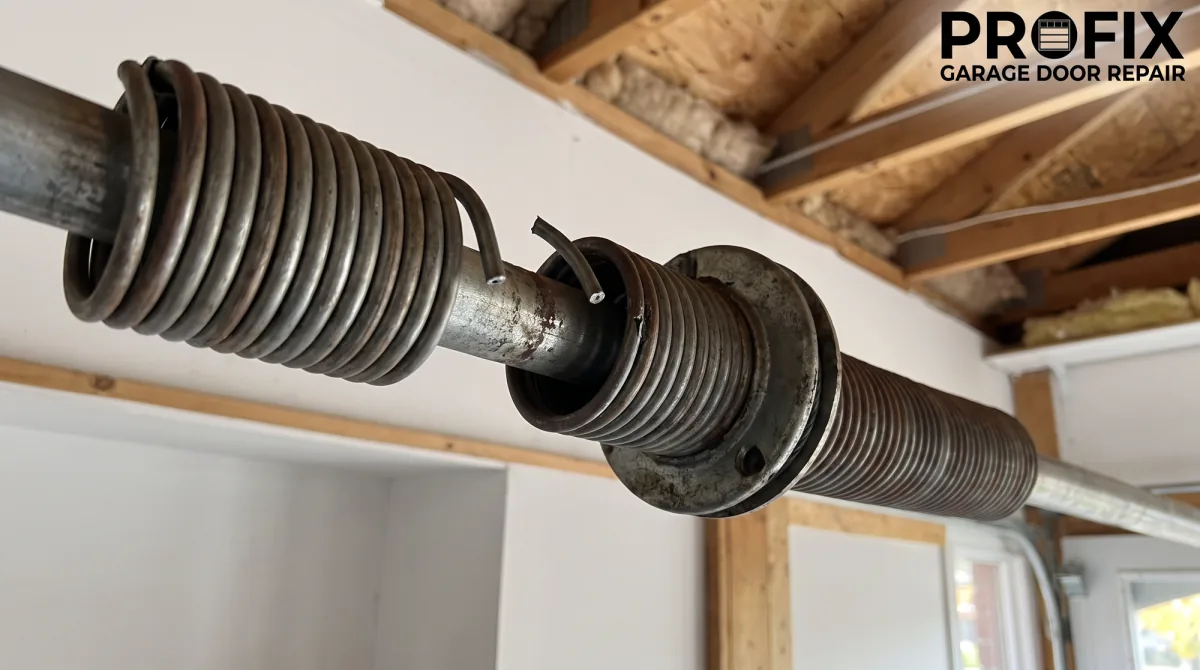
Sometimes reversing is not the sensors or the settings at all, but the door itself meeting genuine resistance. A roller that has seized, a track that is bent or full of debris, or a spring that is losing tension can all create enough drag for the opener to read it as an obstruction and reverse. In that case the reversing is a symptom of a mechanical problem that needs attention in its own right.
If you have cleaned the sensors, confirmed alignment, ruled out glare, and made a careful settings adjustment with no luck, the cause is likely mechanical or electrical and worth a professional look. Our garage door repair service covers diagnosis and fixes for exactly this kind of intermittent fault, and we provide garage door repair across Richmond Hill with technicians who know the local housing stock. For a wider look at related close-failure issues, our garage door troubleshooting tips are a useful next read.
If your door keeps reversing and the simple fixes have not worked, book a repair online or call us at (647) 930-7997. We will track down which system is triggering it and get your Richmond Hill door closing reliably again.