Garage Door Opener Installation Cost: What You Pay and For What
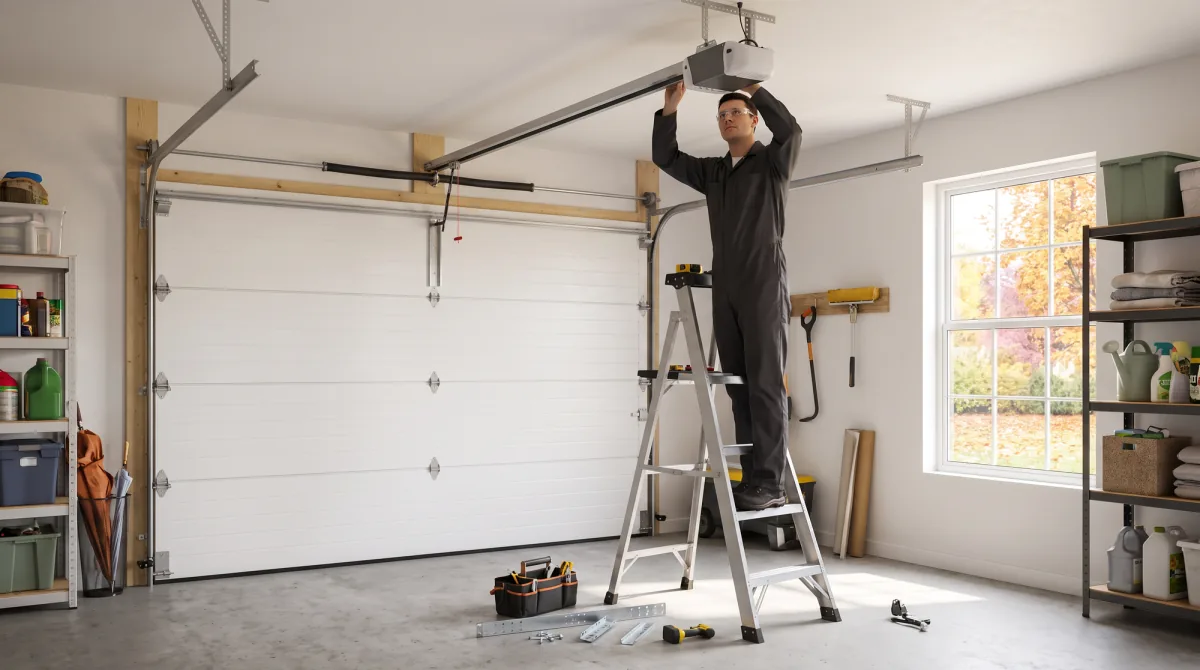
Quotes for garage door opener installation come back at surprisingly different numbers for what sounds like an identical job. The reason is rarely that one installer is overcharging. It is that the quotes include different things, and the items that differ are not the ones a homeowner thinks to ask about.
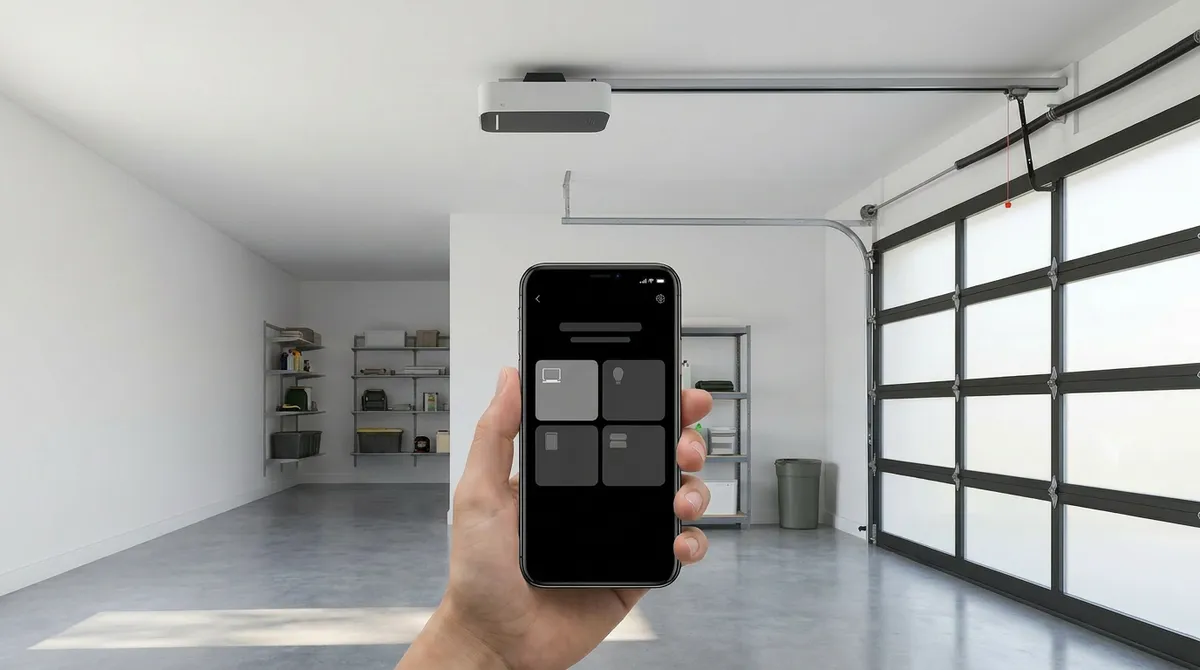
A smart opener supplied and installed runs $350 - $600. This covers what sits inside that figure, what falls outside it, and the one check a good installer performs before the opener goes anywhere near the door.
What does opener installation actually include?
A complete installation covers eight things, and a quote that includes all of them is comparable to another that does the same. The opener unit, the rail, mounting and header hardware, labour, programming of the remotes and wall console, safety sensor setup, a full cycle test of the auto-reverse, and removal of the old opener.
That last one is worth confirming in writing. Haul-away of the old unit is a small item, but it is one of the pieces that quietly separates two quotes that otherwise look the same. The other is the door balance check, covered further down, which some installers treat as standard and others do not perform at all.
The extras sit outside the band and are genuinely optional in most cases:
- Reinforcement strut on a single-skin door, to stop the top section flexing under the opener’s pull
- New wall console, where the existing one is incompatible with the new unit
- Keypad for the exterior, and any remotes beyond the two typically supplied
- Electrical work, if there is no live outlet within reach of the opener
None of those are upsells in themselves. A single-skin door genuinely does need a strut, and an opener genuinely does need an outlet. They are simply items that some quotes carry and others leave for a conversation on the day.
How drive type changes the number
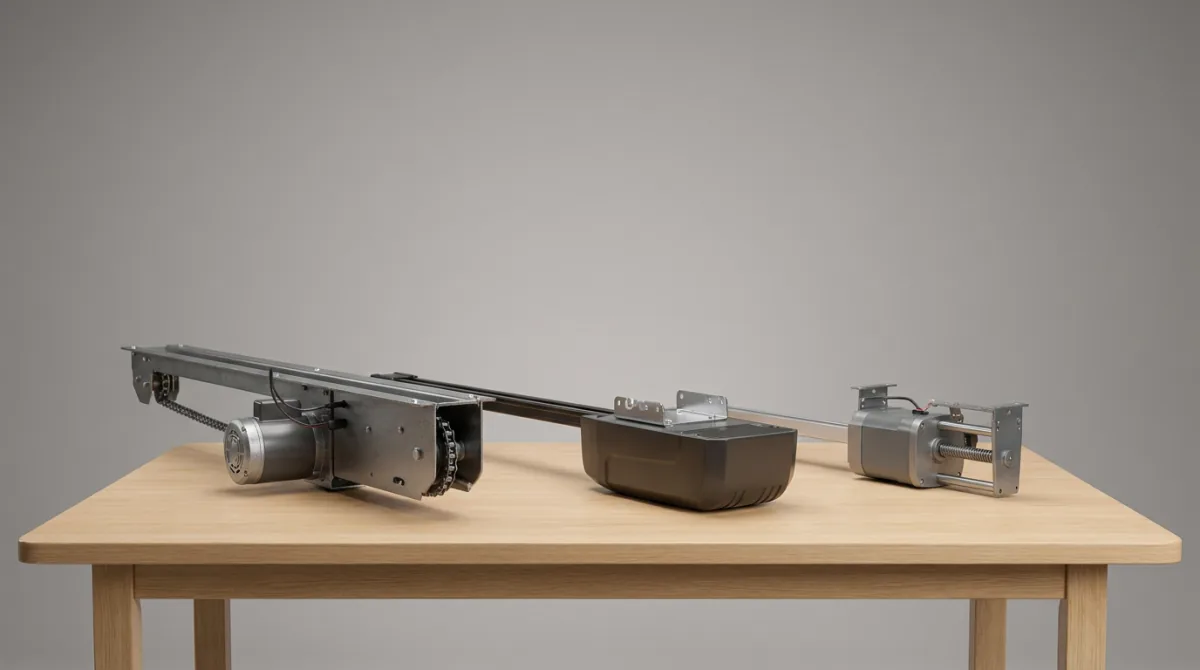
Four drive types are in common use, and the choice affects both the installed cost and how much you notice the door operating.
| Drive type | Relative cost | Noise | Best suited to |
|---|---|---|---|
| Chain | Lowest | Loudest | Detached garages, or no living space above |
| Belt | Mid to high | Quietest of the rail types | A bedroom or living room directly above the garage |
| Screw | Mid | Moderate | Heavier doors, fewer moving parts to maintain |
| Wall-mount jackshaft | Highest | Very quiet, no overhead rail | Low headroom, high-lift tracks, or a garage with storage overhead |
Chain drives are the default for good reason: they are durable, well understood and the least expensive to install. The trade-off is noise, and it is the single most common regret we hear from homeowners who put a chain drive under a bedroom.
The wall-mount jackshaft is the one worth knowing about because it solves problems the others cannot. It mounts beside the door rather than on a rail across the ceiling, which frees the overhead space entirely and suits garages with limited headroom or high-lift track. It costs more, and in the right garage it is the only sensible option.
We go deeper on the trade-offs in our comparison of belt, chain and screw drive openers, which is worth a read before committing to a drive type.
The check most installations skip
The door should be balanced before the opener is fitted. This is the thing that determines whether your new opener lasts twelve years or four, and it is routinely skipped.
An opener is designed to guide a door that the springs are already counterbalancing. It is not designed to lift the door’s weight. When the counterbalance is wrong, the opener takes up the difference on every cycle, and the plastic drive gear inside it wears out years ahead of schedule. Fitting a new opener to an unbalanced door means the replacement fails the same way the original did, and it will look like a faulty unit rather than a door problem.
The test takes a minute. With the door closed, pull the emergency release to disengage the trolley, then lift the door by hand to about waist height and let go. A correctly balanced door stays roughly where you leave it. One that drops to the floor or climbs toward the ceiling is out of balance, and the springs need attention before any opener is fitted. Ask whether this check is part of the installation, because the answer tells you a lot about the installer.
Where the door does need work first, a full tune-up including balance, spring tension and lubrication runs $90 - $180, and doing it at the same visit as the installation costs less than booking it separately later.
Underpowered openers and heavy doors
Around Aurora we see a recurring pattern on homes built through the 1990s and 2000s: half-horsepower openers fitted to double doors that have since been replaced with heavier insulated ones. The opener was adequate for the original door and has been working beyond its comfortable range ever since.
The symptoms are consistent. The door opens slowly, or hesitates at the start of travel. The motor sounds strained rather than steady. The opener runs warm to the touch after a couple of cycles. None of these is a fault code, which is why they get lived with for years until the drive gear finally goes.
Horsepower should be matched to the door, not inherited from whatever was there before. A heavier insulated double door wants more than a half-horsepower unit, and specifying up at installation costs very little compared with replacing an undersized opener that burned itself out. If your door has been replaced since the opener was fitted, that is the moment to check the pairing rather than assume it still holds.
When repairing the old one is the better spend
A new opener is not automatically the answer. If the existing unit is under eight years old and the fault is a single component, repair is usually the better value, and most opener repairs fall in the $175 - $450 range. Our guide to what fails on an opener and what it costs to fix covers the five common failures and the age test for deciding between them.
The case for replacing rather than repairing gets stronger with age and with parts availability. Once a model is discontinued, a repair depends on sourcing a board or gear set that may no longer exist, and that constraint decides more of these jobs than price does.
Openers made before 1993 are a separate case. They predate mandatory photo-eye safety sensors and use fixed codes rather than rolling codes, meaning a neighbour’s remote on the same frequency can open your door. Those should be replaced on safety and security grounds whatever the repair would cost.
Getting a quote you can compare
Ask for the installation quote in writing, and check it covers the old unit’s removal, a reinforcement strut if your door is single-skin, and a door balance check before fitting. Those three items are where otherwise identical quotes diverge.
Our garage door opener installations include removal of the old unit, programming, safety sensor setup and a full auto-reverse test, and we check the door’s balance before fitting anything. If the springs need attention first, we tell you before the work starts rather than after the new opener is on the wall.
Call 647-930-7997 or book an appointment and we will confirm what your door needs and what it will cost, in writing.