Garage Door Moving Slowly or Unevenly in Woodbridge
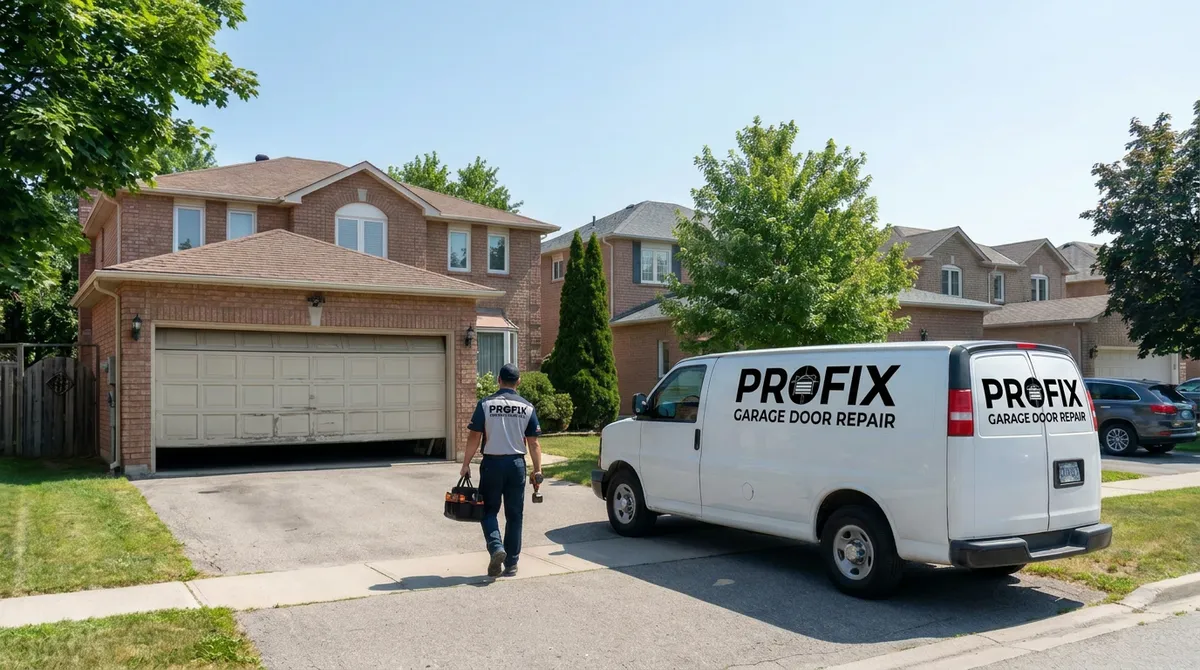
A garage door that moves slowly, jerks on its way up, or sits crooked is telling you something specific. The exact symptom usually points to one cause: dry or worn rollers, an opener setting, or a balance problem with the cables and springs.
Reading that symptom is half the diagnosis. Woodbridge has a lot of established homes with original or aging hardware, and the patterns below show up regularly here. This guide walks through what each behaviour means, what you can safely check, and what to leave to a technician.
Why Is My Garage Door Moving Slowly?
A slow door almost always comes down to friction or the opener, and the two are easy to tell apart with a quick test.
Dry or Worn Rollers
The most common cause of a sluggish door is friction from dry or worn rollers. Without lubrication, the rollers drag in the track instead of rolling freely, and the whole door slows down.
A proper lubrication of the rollers, hinges, and springs often restores normal speed on its own. Our guide on how to lubricate your garage door covers the right way to do it. If the door is still slow afterward, the problem is mechanical or in the opener.
Opener Speed and Age
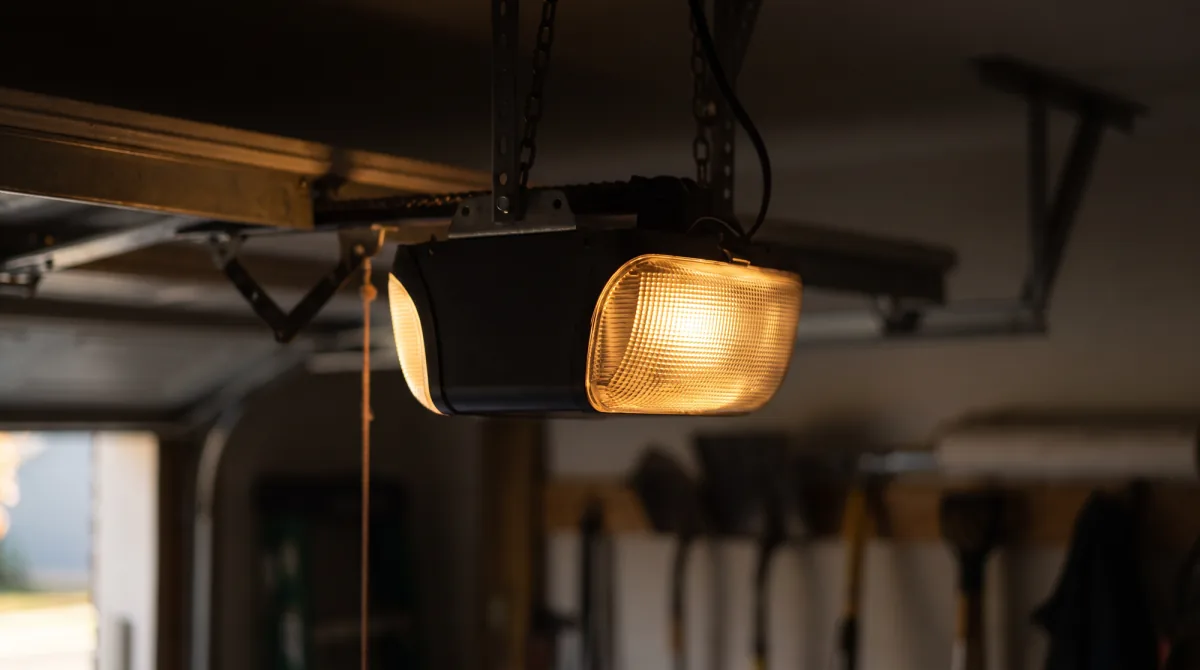
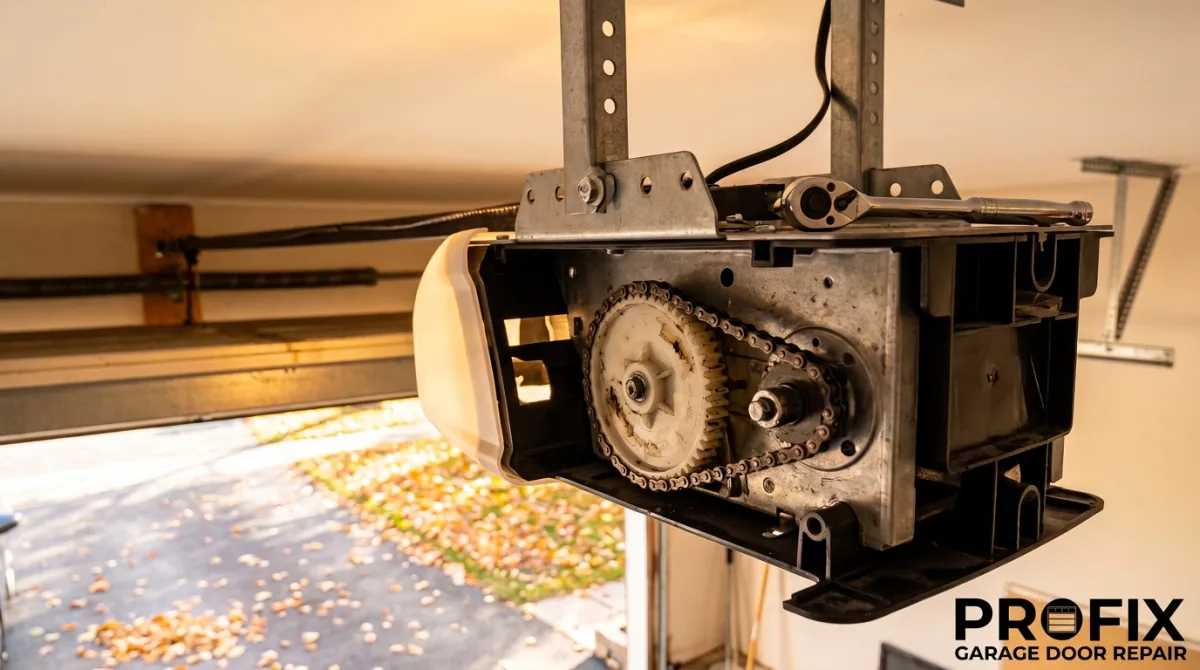
Many openers have an adjustable travel speed, and it can be set lower than you would like. More often, though, a door that has gradually slowed over years points to an aging motor losing power.
Openers typically last 10 to 15 years, and a slow, laboured motor near the end of that range is often nearing replacement rather than a quick fix.
Why Is My Garage Door Jerky or Shuddering?
Jerky, stuttering movement means the door is not travelling smoothly through the tracks, and there are a few usual causes.
Worn Rollers and Bent Track
Worn rollers do not just slow a door; they make it shudder as they bind and release in the track. A track that is dented, bent, or full of debris does the same, catching the rollers at certain points.
Cleaning debris from the track and lubricating helps, but rollers that are cracked or wobbling need replacing to restore a smooth ride.
Loose Hinges and Hardware
Over thousands of cycles, hinges and brackets work loose, letting the panels flex and shift as the door moves. That play shows up as a shudder or a knocking sound.
Tightening the visible hardware is a safe homeowner task and often smooths things out, though badly worn hinges should be replaced.
Why Is One Side Higher Than the Other?
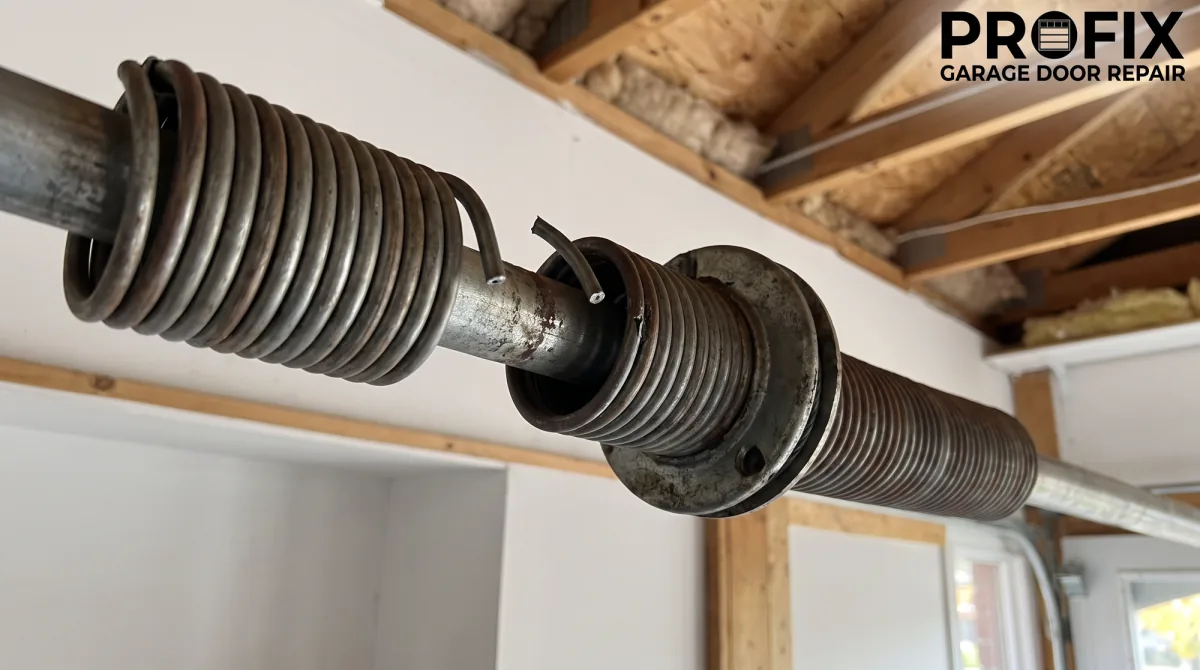
A door that sits crooked or racks to one side is the symptom to take most seriously, because it points to the high-tension parts. It usually means a cable has frayed or slipped, a cable drum has slipped on the shaft, or the two springs are out of balance.
When one side loses support, the door no longer hangs square, and continuing to operate it strains the remaining cable and can pull the door off its track. This is not a homeowner repair. Keep your hands off the cables and springs, stop using the door, and have it inspected.
How to Narrow Down the Cause Yourself
Before booking a repair, one simple test tells you whether the problem is the door or the opener. With the door closed, pull the manual release cord to disconnect it from the motor, then raise and lower the door by hand.
- Heavy, slow, or jerky by hand: the problem is in the door itself, meaning the rollers, track, springs, or cables.
- Smooth by hand but slow or laboured with the opener: the opener is the likely culprit, often an aging motor.
- Sticking at the same point every time: look for debris or a bent section of track right at that spot.
This thirty-second check saves a lot of guesswork and helps you describe the problem accurately when you call. Keep your hands well clear of the springs and cables while you do it, and re-engage the opener by running it through one full cycle afterward.
What Happens If You Ignore It?
A slow or uneven door rarely fixes itself, and the underlying cause usually gets worse. Dry rollers that drag today will eventually seize, a slightly bent track will pull the door further out of line, and a fraying cable will keep fraying until it snaps.
The risk is that a minor, inexpensive fix turns into a major one. A worn roller left alone can throw the door off its track, and an unbalanced door strains the opener until the motor burns out. Acting on the early symptom, while it is still just slow or noisy, is almost always the cheaper path and keeps a small annoyance from becoming a door that will not open at all.
What You Can Check vs What Needs a Pro
Knowing where the safe DIY line sits saves you from turning a small problem into an injury or a bigger repair.
You can safely:
- Lubricate the rollers, hinges, and springs
- Clean debris out of the tracks
- Tighten loose brackets, hinges, and bolts
- Check for obviously cracked rollers or a visibly bent track
You should leave to a technician:
- Adjusting or replacing springs and cables, which are under high tension
- Realigning a bent track or a racking door
- Adjusting opener force or travel settings beyond a minor speed change
Local Diagnosis in Woodbridge
If lubrication and tightening do not fix the slow or uneven movement, the cause is likely worn rollers, a cable or spring issue, or an aging opener, all of which are worth a professional look. Older Woodbridge homes in particular tend to reach this point as their original hardware ages out.
Our garage door repair service diagnoses exactly these symptoms, and we provide garage door repair across Woodbridge with technicians who know the local housing stock. A door that has started moving strangely will not improve on its own, and catching it early keeps a minor fix from becoming a breakdown.
If your garage door is moving slowly, shuddering, or sitting crooked, book a repair online or call us at (647) 930-7997, and we will diagnose the cause and get it running smoothly and safely again.