How Summer Heat and Humidity Affect Garage Doors in North York
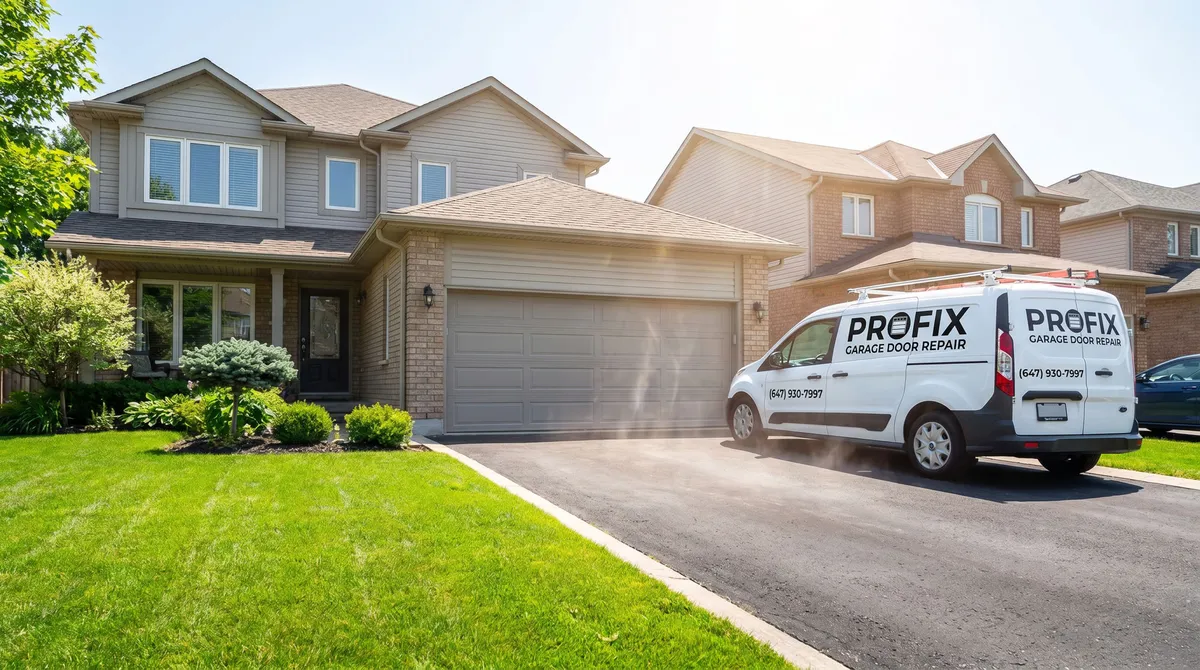
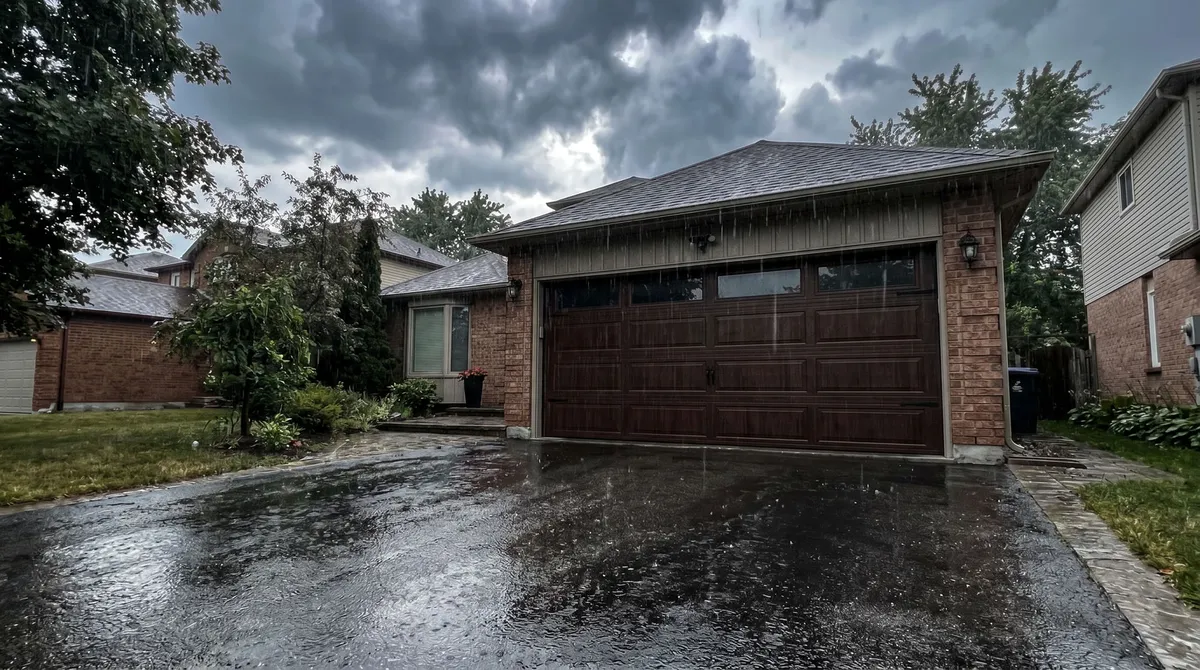
Cold weather gets all the blame for garage door trouble, but summer stresses your door just as much in different ways. In North York, heat makes metal and wood expand and dries out lubricant, humidity invites rust and swelling, and intense afternoon sun can throw off the safety sensors.
None of these is dramatic on its own. Together they speed up wear and cause the sticking, noise, and close-failures we get called about every July and August. Here is what is happening inside your garage, and how North York homeowners can stay ahead of it.
Can Summer Heat Damage a Garage Door?
Yes, heat affects a garage door in two practical ways: physical expansion and dried-out lubricant. Both are gradual, and both are easy to prevent.
Expansion and Sticking
Metal and wood expand as they warm, and a door that glided smoothly in spring can start to bind once temperatures climb. Panels rub, rollers drag, and the door may stick at certain points in its travel.
This is more noticeable on a south or west-facing garage that takes the full afternoon sun. The expansion is slight, but it is enough to reveal an alignment that was already borderline, which is why a door that was fine in May suddenly catches in July.
Heat and the Opener
An uninsulated North York garage can get very hot inside, and that heat is hard on the opener’s motor and circuit board. Electronics dislike sustained high temperatures, so a garage with no airflow can shorten the life of the opener over repeated summers.
If your opener has started behaving erratically only during heat waves, temperature is a likely factor worth mentioning to a technician.
How Does Humidity Affect Your Door?
Humidity is the quieter half of summer wear, and it works on three fronts: rust, swelling, and moisture in the electronics.
Rust on Springs and Cables
Springs, cables, and hardware are all steel, and humid air encourages surface rust. Rust increases friction, which makes the door work harder and shortens the life of the parts.
A light coat of lubricant is the main defence here, sealing the metal against moisture. This is why summer lubrication matters more than many homeowners expect.
Swelling on Wooden Doors
Wooden and wood-composite doors can absorb moisture and swell in damp conditions, causing the same sticking and binding that heat does. The effect is worse on older doors with a worn or cracked finish that no longer keeps moisture out.
Moisture and the Electronics
The opener’s control board does not like persistent damp any more than it likes heat. In a poorly ventilated garage, summer humidity adds a slow stress to the electronics that can contribute to intermittent faults.
Why Does My Door Reverse on Sunny Afternoons?
If your door reverses or refuses to close only on sunny afternoons, the cause is almost always sun glare on the safety sensors.
The two photo-eyes near the floor rely on an infrared beam between them. When low afternoon sun shines directly into a sensor, it can overwhelm that beam and make the opener think something is blocking the doorway, so the door reverses as a safety measure.
This catches many North York homeowners with east or west-facing driveways. A small shade over the affected sensor usually solves it, and our guide on garage door sensor problems covers the fix in detail.
Summer-Smart Maintenance for North York Homes
A short mid-summer routine prevents most heat and humidity problems. The goal is to counter the expansion, friction, and corrosion before they turn into a service call.
Focus on these four things:
- Lubricate the hinges, rollers, and springs to counter heat-thinned, dried-out lubricant
- Check the weather seals for cracks so heat, water, and pests stay out
- Clean and shade the sensors so afternoon glare does not trip them
- Add airflow where you can, so heat does not build up around the opener
A full summer tune-up wraps all of this together, and regular lubrication is the single most useful habit through the hot months.
Is Summer or Winter Harder on a Garage Door?
Both seasons stress a garage door, just in different ways, and neither gets a pass. Winter is famously hard on springs, because cold makes metal brittle and a spring near the end of its life often snaps on the first deep freeze. Cold also thickens lubricant and stiffens the whole door.
Summer works more quietly but no less surely. Heat expansion causes sticking and binding, humidity invites rust and swelling, dried-out lubricant lets parts grind, and afternoon glare trips the sensors. The wear is gradual rather than dramatic, which is exactly why it tends to get overlooked until something sticks or squeals.
The practical takeaway is that a garage door benefits from attention twice a year, not only before winter. A mid-summer check catches the heat and humidity issues while they are still minor, so they do not compound into a winter breakdown when a tired part finally gives out in the cold.
When Should You Call a Professional?
Most summer maintenance is homeowner-friendly, but a few signs mean it is time for a technician rather than another round of lubricant. Call for service if you notice:
- Sticking or binding that does not clear after cleaning and lubricating
- A door that is louder every week despite fresh lubrication
- Rust forming on the springs or cables
- The opener faltering specifically during hot spells
- Sensors that still misbehave after cleaning and shading
These point to wear or alignment issues that are better corrected early, before the busy fall season arrives.
Local Summer Service
If your door is sticking, getting noisy, or misbehaving in the heat and a quick tune-up has not fixed it, it is worth a professional look before the problem grows. Our garage door maintenance service keeps doors running through the summer across North York and the wider GTA.
Do not let summer wear sneak up on your door. Book a maintenance visit online or call us at (647) 930-7997, and we will get your North York garage door summer-ready and running smoothly.